
Colombian Flowers: A Global Powerhouse Blooming for May’s Peak Season
Colombia has firmly established itself as one of the world’s leading flower exporters, combining natural advantages, logistics expertise, and decades of industry development. As global demand intensifies around key seasonal peaks—especially Mother’s Day in May—Colombian flowers continue to play a critical role in supplying markets across North America, Europe, and beyond.
A Strategic Export Industry with Global Impact
The Colombian floriculture industry is not just a symbol of beauty, it is a major economic engine. In 2025, the sector reached an estimated USD 1.98 billion in market size, with sustained growth projected in the coming years.
Flowers represent approximately 4.7% of Colombia’s total exports and about 6% of agricultural GDP, making them one of the country’s most important non-mining export sectors.
Additionally, the industry supports over 200,000 jobs, many of them held by women, reinforcing its strong social impact in rural communities.
Colombia exports flowers to more than 100 countries, with the United States remaining the primary destination, accounting for nearly 80% of total exports.
Product Diversity and Premium Positioning
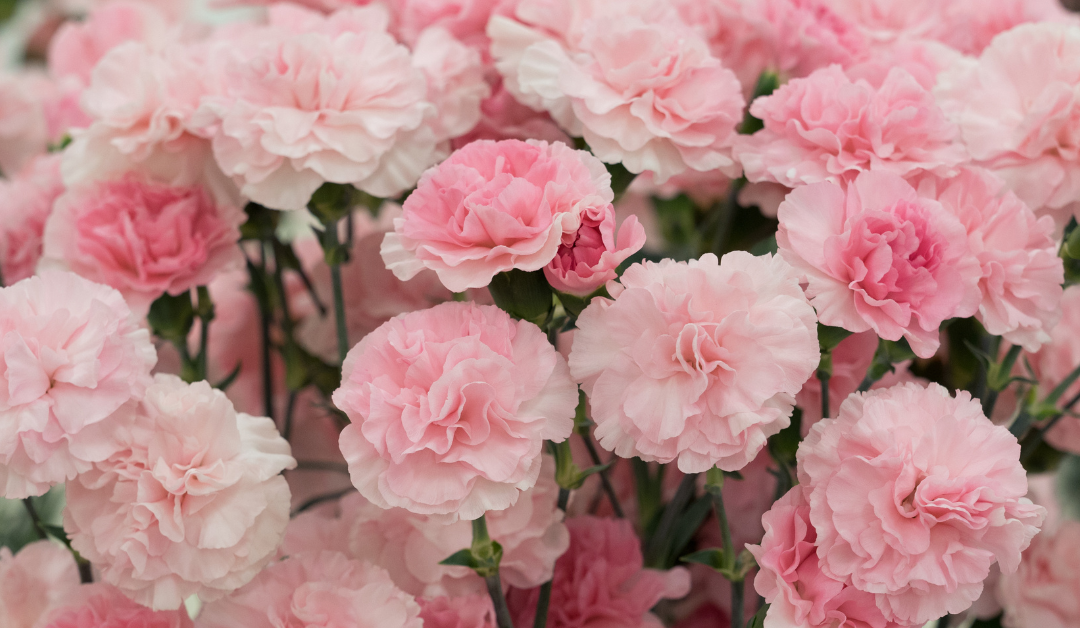
Colombia’s success is driven by its extraordinary biodiversity and ideal growing conditions. The country produces more than 1,600 flower varieties, including roses, carnations, chrysanthemums, alstroemerias, and hydrangeas.
Production is highly concentrated in regions like Cundinamarca and Antioquia, which together generate over 95% of exports, ensuring operational efficiency and logistics scalability.
Logistics Excellence: A Key Competitive Advantage
One of Colombia’s greatest strengths lies in its logistics capabilities. The country has developed a highly efficient supply chain that allows flowers to move quickly from farms to global destinations while preserving freshness and quality.
This is especially critical during peak seasons. In early 2025 alone, flower exports increased by 15%, highlighting the sector’s ability to respond to international demand spikes.
May Season: Why Mother’s Day Matters
While Valentine’s Day is traditionally the largest sales event, Mother’s Day in May represents approximately 15% of annual flower sales, making it one of the most important commercial windows for industry.
During these peak periods:
-
Demand surges across the U.S. and Europe
-
Air cargo capacity becomes critical
-
Supply chain precision directly impacts profitability
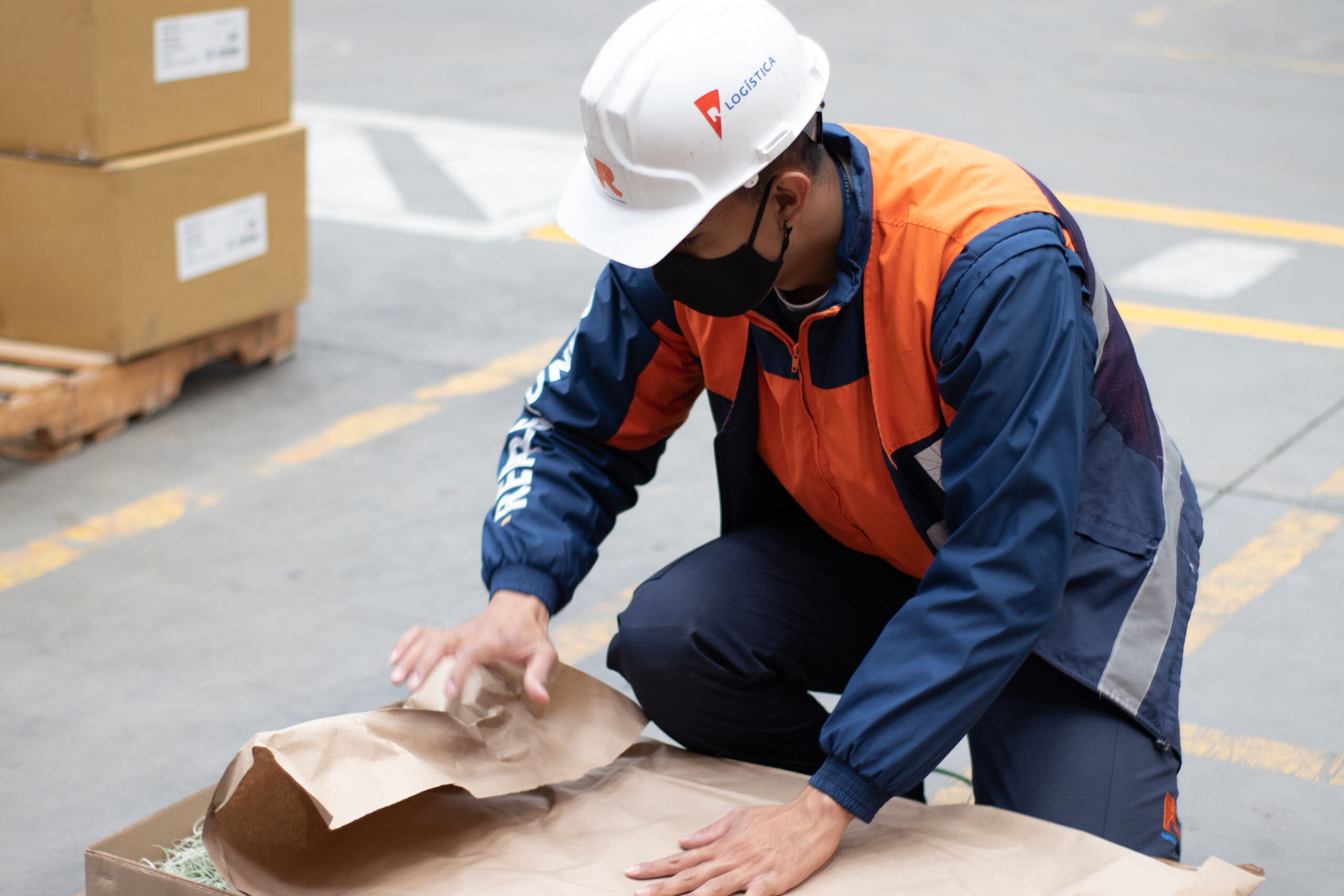
Peak seasons like Mother’s Day are not just about higher volumes, they demand precision, adaptability, and constant coordination across the supply chain.
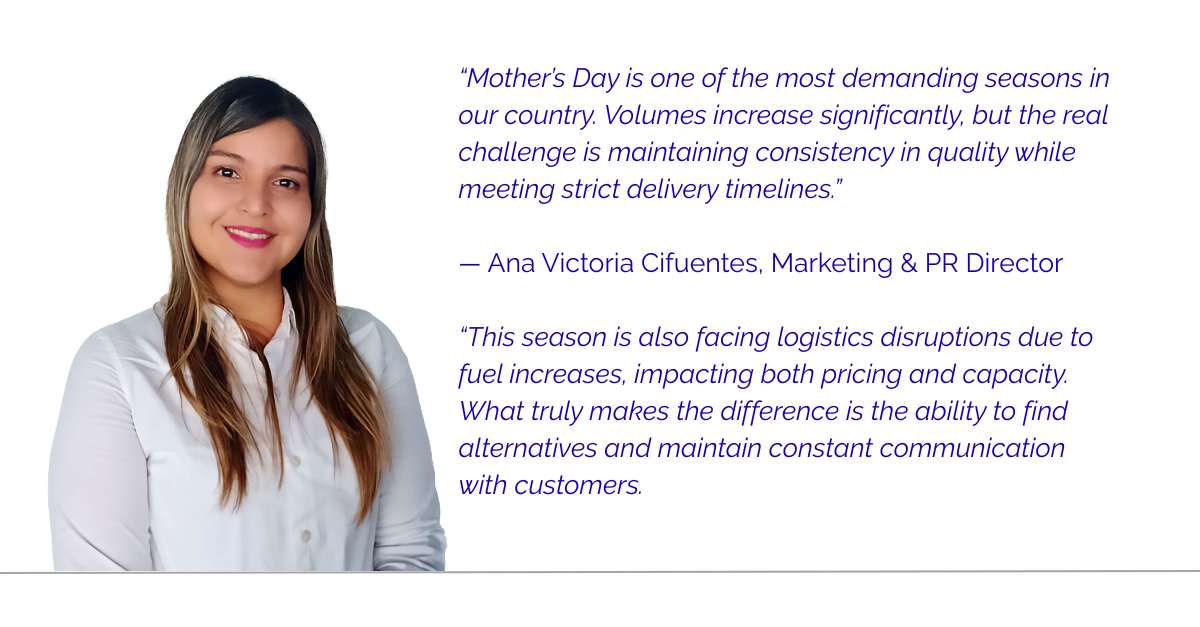
This perspective highlights a key reality: success during peak season is not only about capacity, it is about resilience and proactive logistics management.
Conclusion
Colombian flowers are much more than a seasonal product, they represent a sophisticated, high-impact global industry.
As May approaches, the importance of this sector becomes even more evident. Behind every bouquet delivered for Mother’s Day, there is a complex logistics operation, a strong export ecosystem, and thousands of families whose livelihoods depend on this thriving industry.
Colombia is not just growing flowers, it is delivering value, reliability, and emotion to the world.